COMPREHENSIVE ESTATE PLANNING
Your estate plan is the most important gift you can give your family. It ensures that the people you love are protected, that your wishes are carried out exactly as you intend, and that the people and causes you care about are provided for — no matter what the future holds.
At Kerry Devine Law, we design estate plans that are as unique as the families we serve. We take the time to understand your goals, your concerns, and your family's specific circumstances — and then we build a plan that works for you.

We specialize in helping individuals and families create comprehensive estate plans tailored to their unique circumstances. We'll work closely with you to understand your goals and concerns, so you can feel confident that your wishes will be carried out effectively, and your family will be taken care of in exactly the way you want.
Personalized Consultations
We believe that every client is unique, and their
estate plan should reflect their specific needs. We'll schedule a one-on-one consultation to get to know you and your family and listen to how you would like to plan for them. We'll take the time to understand your family dynamics and individual wishes, and we'll discuss your current plan, your assets, your goals, and explain how it all works in New Jersey. We'll answer your questions and offer solutions.
What we prepare ...
We strive to create comprehensive estate plans, which must include both lifetime and at-death planning components. In New Jersey and New York, most estate plans are based on four essential documents: a will and/or a revocable living trust, a financial power of attorney, and an advance healthcare directive. While each of these documents has its own purpose and goals, when used together they make up a comprehensive planning strategy that can make probate easier, avoid lifetime conservatorships and guardianships, protect surviving family members, carry out philanthropic objectives, protect assets from divorce and creditors, minimize tax liability, designate end of life wishes, transfer wealth to heirs, and plan for business succession.
Last Will and Testaments
A will is the foundation of any estate plan. It directs how your assets are distributed at death, names an executor to carry out your wishes, and — critically for parents — names a guardian for your minor children. Without a will, New Jersey or New York law decides who gets your assets and who raises your children. We make sure those decisions are yours.
Comprehensive Estate Plans
We strive to create comprehensive estate plans, which must include both lifetime and at-death planning components. In New Jersey, most estate plans are based on four essential documents: a will and/or a trust, a financial power of attorney, and an advance healthcare directive. While each of these documents has its own purpose and goals, when used together they make up a comprehensive planning strategy that can make probate easier, avoid lifetime conservatorships and guardianships, protect surviving family members, carry out philanthropic objectives, protect assets from divorce and creditors, minimize tax liability, designate end of life wishes, transfer wealth to heirs, and plan for business succession.
Last Will and Testament
A will is a set of instructions that dictates how a person would like their estate to be handled after their death. Wills can determine who will inherit what assets, appoint guardians for underage children, and protect inheritances by appointing a person to oversee their disbursement. It's important to have a will because if you don't, New Jersey's intestacy laws will determine how your affairs are handled -- it's always better to make a plan for yourself rather than rely on the State's default plan, which usually is not aligned with what you'd want for yourself.
It’s important that a will meets all of the formal legal requirements to be considered valid. In New Jersey, a will must be: 1) in writing, 2) signed by the person making the will (known as the testator) or by a proxy, and 3) acknowledged by two witnesses. In New Jersey, a will should also be self-proving -- this means attaching a notarized affidavit of the testator and the witnesses. A self-proving will can probated without requiring the witnesses to appear before the court. To avoid the will being challenged, it’s also important that the person making the will meet the mental requirements of sound mind, meaning they must have full control and awareness of their mental faculties.
If the will does not meet these requirements, the decedent will be treated as having died without a will, and New Jersey's intestacy laws will dictate how and to whom the estate will be distributed, as well as who should be appointed as guardian of any minor children. Letting a court decide who should be appointed guardian is not always in the best interests of the child in question, so it’s best to avoid this scenario by including your wishes for guardians in your will.
Wills often contain one or more testamentary trusts, which are trusts that are created by the terms of the will after a person passes away, such as trusts for the benefit of minor children or a surviving spouse.
Financial Powers of Attorney
A durable power of attorney authorizes a trusted person to manage your finances if you become unable to do so yourself. Without one, your family may need to go to court to obtain legal authority over your accounts and assets — an expensive and time-consuming process that proper planning prevents entirely.
Advance Healthcare Directives
An advance directive — sometimes called a living will and healthcare proxy combined — names the person you trust to make medical decisions on your behalf and provides them with your instructions. It gives your family clarity and spares them from having to guess your wishes at the most difficult moments.
Revocable Living Trusts
A revocable living trust lets you transfer assets to your beneficiaries at death without going through probate — keeping the process private, efficient, and under your control. It also provides a seamless plan for managing your affairs if you become incapacitated during your lifetime. Many families with real estate, significant assets, or blended family situations find a revocable trust to be the right centerpiece of their plan.
Irrevocable Trusts
For families with more complex planning needs, irrevocable trusts offer powerful tools for reducing estate taxes, protecting assets from creditors, and making long-term gifts to family members or charities. With an LLM in Taxation, Kerry brings advanced knowledge to this work and designs strategies that maximize what you leave behind.
Tax Planning and Wealth Transfer
For families with larger estates, we design strategies to minimize federal estate tax, New Jersey inheritance tax concerns, and New York estate tax — maximizing the wealth that passes to the people and causes you care about. We coordinate with your financial advisors and CPAs to ensure your legal plan and financial plan work together seamlessly.
Regular Reviews and Updates
Life is ever-changing, and your estate plan should evolve along with it. We'll work with you to review your plan periodically, ensuring that it remains up to date and aligned with your current circumstances. Whether it's a major life event like marriage, divorce, the birth of a child, or simply a change in your financial situation, we'll be there to make any necessary adjustments to your plan.
Financial Power of Attorney
Financial powers of attorney address a person’s inability to make decisions for themselves if they become incapacitated. These documents appoint an individual who is authorized to manage a person’s property and finances. Bills must be paid, tax returns must be filed, and investments must be managed, even during acute health episodes. While this responsibility often falls to the spouse, parent or adult child, there are many inherent risks without a financial power of attorney. The person carrying out this responsibility may be unaware of all the financial decisions that need to be made, and/or may not be authorized to access bank accounts or investment portfolios. Appointing an agent who has the legal authority to access accounts and make financial decisions can relieve these issues.
Depending on your individual needs, an agent’s power can either be general or limited to a certain role, durable or non-durable (a limited scope of action), immediate or springing (triggered upon a certain event).
Advance Healthcare Directive
Advance Healthcare Directives are a critical part of an estate plan, not just for the individual, but also for their family. By planning for a person’s incapacity or death, these documents relieve family members of the burden of having to make important decisions during an acute time of emotional stress. Healthcare directives have two specific purposes: 1) dictating instructions for healthcare treatment and end-of-life wishes (sometimes referred to as a living will), and 2) appointing a healthcare agent who makes decisions on your behalf.
While this can be a tricky topic to navigate, formally memorializing your wishes is imperative to avoid family disagreements or default planning. Consider end-of-life issues, such as whether you would like to: have or avoid life support treatment such as ventilators and artificial nutrition and hydration; be an organ donor or accept an organ transplantation; determine how you would like your remains to be disposed of; address any religious issues, like receiving the last rights; and address any family or other emotional issues.
The last step is to appoint a healthcare agent. While a person may choose a close family member or friend, ultimately the appointee should be trustworthy, someone who stays calm under pressure, communicates well with the family, and can advocate on your behalf. Typically, an agent can be given the power to hire or fire healthcare providers, consent or deny recommended medical treatment, authorize pain relief, and obtain ancillary services including long-term care placement.
Revocable Living Trusts
Contrary to popular belief, trusts are not just for the wealthy, but rather can be utilized by anyone for tax and non-tax related purposes. Trusts are legal entities that hold title to certain assets, which are then managed by a third party -- the trustee -- for the benefit of the named beneficiaries. Trusts are “funded” by transferring assets into the trust upon its creation. “Revocable” means that the trust can be modified by the person who creates the trust (the grantor or trustmaker) and “living” means it was created during the trustmaker's lifetime.
There are three major players in the establishment and execution of an RLT -- the grantor, the trustee, and the beneficiary. Initially, the trustmaker will likely fill all three roles as they control the terms of the RLT (as grantor), manage the property (as trustee), and enjoy the property (as beneficiary).
RLTs can be used to achieve several estate planning goals, including bypassing death probate, providing lifetime incapacity planning, helping grantors in meeting their charitable giving goals, assisting with estate tax saving strategies, and providing for intended beneficiaries. Adding sub-trusts to an RLT, which are funded at the grantor’s death, is a common strategy to achieve some of these goals. For example, when creating a trust that will ultimately pass to a spouse or minor child, the grantor may want to include asset protection, estate savings, and spendthrift provisions.
RLT's are more widely used in states where the probate process is much more difficult than it is in New Jersey, but there are good reasons to have an RLT in NJ, including privacy, ease of administration, and avoiding additional probate in another state where you own real property.
Regular Reviews and Updates
Life is ever-changing, and your estate plan should evolve along with it. We'll work with you to review your plan periodically, ensuring that it remains up to date and aligned with your current circumstances. Whether it's a major life event like marriage, divorce, the birth of a child, or simply a change in your financial situation, we'll be there to make any necessary adjustments to your plan.
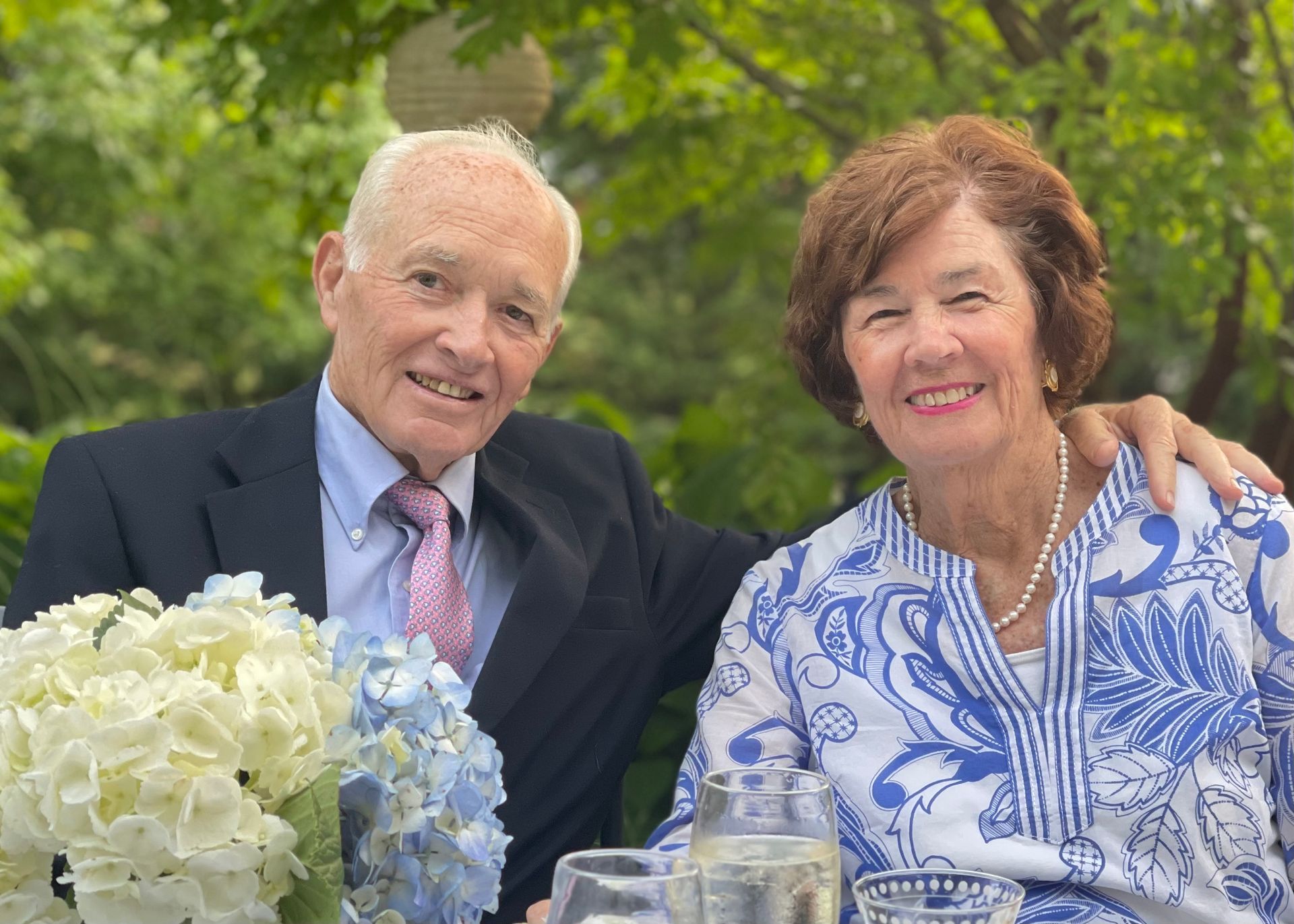
We believe that estate planning is not just about paperwork; it's about creating a legacy and taking care of those you love. We are dedicated to providing you with the guidance and support you need throughout the process. With our expertise and your unique goals, we'll create an estate plan that brings you peace of mind now and protects your loved ones in the future.
Ready to get started?
Schedule a free, no-obligation consultation and we'll walk you through everything.